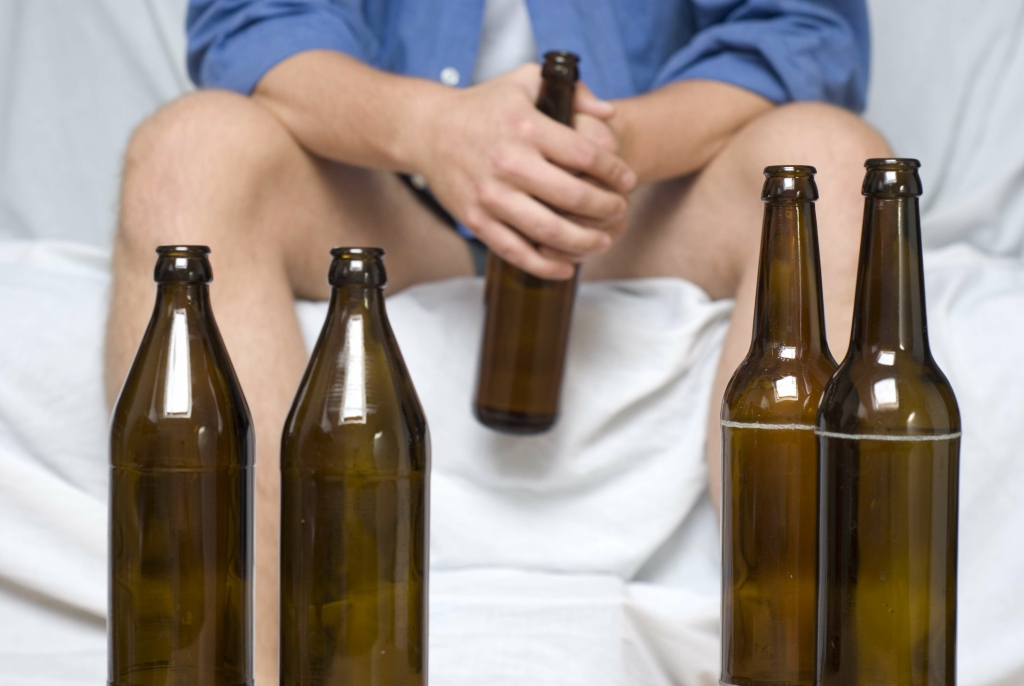
Chapter 9: Alcohol and Other Drugs

Verify your insurance today – treatment could be more affordable than you think. Start your recovery journey with peace of mind, knowing your care is covered. Discover affordable rehab centers near you, offering easy access and convenience.

what types of alcoholics are there

RECOVERY PODCAST

Chemical test refusal is a separate issue from whether you were guilty of an alcohol or drug-related violation. If you refuse to take the test after being arrested, your driver license will be suspended when you are arraigned in court on the alcohol or other drug-related charge. In addition, the fact that you refused a chemical test can be brought up in court when you are tried on the alcohol or drug-related charge. If a DMV hearing later confirms you refused the test, your driver license will be revoked even if you are found not guilty of the alcohol or other drug-related violation.

Racial and Ethnic Patterns

  • The most common users of this license are operators of micro-breweries and brewpubs.
  • Almost27%of intermediate familial alcohol dependents have sought help for their drinking problem.
  • Both alcoholic fatty liver disease and one type of nonalcoholic fatty liver disease (nonalcoholic steatohepatitis) can lead to cirrhosis.
  • Out of all the other subtypes, this one rates the highest for abuse of other substances and other psychiatric disorders.
  • The combination of their co-occurring disorders prevents them from being able to function at work and in other areas.
  • These data suggest that a multi-pronged approach – improving access to education, employment, and stable housing – can reduce substance abuse in vulnerable communities.

The juice can make the drug more potent, which can be dangerous. If you enjoy drinking grapefruit juice and would rather not give it up, speak with your doctor to see what you can do. If you drink large amounts of alcohol, you may be at risk of more serious side effects. Statins could cause some weight gain, but it may Types of Alcoholics not be from the drug itself. The weight gain could be because people may feel more comfortable eating higher-cholesterol foods, believing that the statins will protect them. The risk is small, but statins can raise blood sugar levels, especially if they were higher than normal to start, for people who have prediabetes or diabetes.

Getting Help for Alcoholism

The National Institute on Alcohol Abuse and Alcoholism (NIAA) studied alcoholics and how they differ. Their research led to the development of five different subtypes. Each subtype is unique and offers a bit more insight into alcohol abuse.

what types of alcoholics are there

  • Intermediate familial alcoholics are similar to functional ones but are more likely born with a genetic predisposition to alcoholism.
  • What separates this type from the young adult subtype is the presence of co-occurring antisocial behaviors and often other substance use.

This license authorizes the sale, service, and consumption of beer and wine to passengers of a licensed airline. Routes that originate or terminate within the state must be licensed. Duplicate licenses are required for each scheduled flight wherever alcoholic beverages are sold (BPC § 23664).

  • Get professional help from an online addiction and mental health counselor from BetterHelp.
  • Bars and restaurants – These establishments are perfect spots for social drinkers.
  • They collaborate to provide training to healthcare professionals and disseminate updated information.

Importance of Categorizing Types of Alcoholism

  • Understanding how different demographic factors intersect with alcohol use can guide targeted prevention and treatment strategies.
  • Yet, not all individuals struggling with alcohol addiction look or behave the same.
  • Education and income levels rank highest among all alcoholic types.

There are a few types of urine tests, and some are more accurate than others. If you’re up on wedding cocktail trends considering a champagne tower, you’ll need to buy some extra bottles. Mentrup warns that it can be costly and time-consuming to set up for 100+ guests.

Treatment that works brilliantly for one subtype may fail completely for another. Family members gain insight into why their loved one’s drinking pattern looks so different from someone else’s. And those struggling with alcohol dependency can finally see themselves reflected in the research—perhaps for the first time. It can happen on individual occasions (binge drinking) or habitually. Some people may transition between different alcoholic types based on changing life circumstances, but this probability depends on various factors, including their response to treatment.

They can only serve alcohol to customers who are 21 years or older. Bars and restaurants can also be held liable for drunk driving accidents by irresponsibly serving alcohol to their customers. Any establishment that serves or sells alcohol is subject to unique time limits to promote responsible alcohol consumption. Texas has had a long, complex history regulating the sale of alcohol. It’s important to set clear legal limits for alcohol consumption to prevent recklessness. The blood alcohol content (BAC) is one way to monitor and deter irresponsible alcohol consumption.

For instance, an individual in this category might consume 10 or more drinks at a social gathering, leading to reckless or irresponsible behavior. Functional alcoholics, who account for 19.5% of alcoholics, are perhaps the hardest to identify due to their ability to maintain outward appearances of stability. They often hold steady jobs, maintain family responsibilities, and appear successful in their personal lives.

What Is Sober Curious? Inside the Alcohol-Free Movement

The movement challenges societal norms around drinking and encourages a more intentional approach to alcohol consumption. Have you ever pondered the idea of living a life less entwined with drinking alcohol? The term “sober curious” refers to people who can choose, question, or change their relationship with alcohol in response to their mental or physical health. Sober curiosity is a concept that invites you to question and even transform your connection with alcohol, all in the pursuit of better mental and physical well-being. People in the sober curious community don’t necessarily overlap with those in the recovery community. Most are not likely to identify as an alcoholic, but still choose not to drink for a period of time.

In many cultures, drinking is deeply ingrained in social rituals ranging from celebrations to casual gatherings. One way to get sober curious is to fill your calendar with activities that don’t revolve around alcohol or having an alternative when they do. Attending book club gatherings or sporting events, socializing at coffee shops, spending time outdoors, and even ordering mocktails when out are all becoming more popular among people joining the sober curious movement.

Navigating Social Situations

Books, podcasts, and blogs on the sober curious movement can provide valuable insights and tips for navigating life without alcohol. Some popular titles include Sober Curious by Ruby Warrington (who is credited with popularizing the term) and Quit Like a Woman by Holly Whitaker, which offers a feminist perspective on sobriety. One of the most common challenges for sober curious individuals is navigating social situations where alcohol is prevalent.

What does it mean to be sober curious?

(13)  For those who have struggled with addiction, the journey to recovery is often a lifelong winding road. One of the biggest challenges to maintaining your sober-conscious decision is isolation. Developing a social network with like-minded individuals creates a supportive community that acknowledges the challenges and supports the efforts of choosing a healthier lifestyle.

Immerse Yourself in the Sober Curious Community

What is Sober Curious

Studies have shown that alcohol intake is a risk factor for cardiovascular and liver diseases, cancers and negatively impacts brain function. One comprehensive study debunked the previous misconception that drinking moderate amounts of alcohol every day could protect against death from heart disease or help you live a longer life. On the contrary, the study found that drinking even small amounts of alcohol increased the risk of death. Lastly, joining non-alcoholic social events, like movie nights, board game gatherings, or volunteering activities, can lead to meaningful connections and new friendships.

  • So where should you start if you’re interested in exploring sober curiosity?
  • It’s not about following strict rules or labeling yourself; it’s about asking questions and making intentional choices about alcohol.
  • 💙 Explore the concept of creating, and sticking to, personal Boundaries when other people are pressuring you.

Challenges to Socializing Without Alcohol

What is Sober Curious

Decide on alcohol-free days or limiting the number of drinks you have on certain occasions. Track your progress and feelings in a journal to see the changes and motivate yourself to continue. Short term or not, sober curiosity can still promote mindful drinking habits and lasting lifestyle changes. It’s absolutely OK to need extra support while addressing drinking habits.

What is Sober Curious

A person who is sober curious generally makes the choice to be sober for the physical and mental health benefits. In that regard, sober curiosity can be for almost anyone who is interested in seeing how their mind and body respond to taking time off from consuming alcohol. Some sober curious people are motivated by potential health benefits like improved sleep quality or higher energy levels. Others might be interested in the mental clarity that can come with consuming less alcohol, as people often find they’re more productive and focused when not drinking.

“Sober curious” people often discuss the short-term physical benefits of less alcohol, including not feeling fatigued or unwell after drinking. However, science also suggests the long-term benefits may be even more significant. Some people also find success with taking regular breaks from drinking, such as having several days off per week or going completely dry once every few months. Others may decide on “sobriety lite” by limiting themselves only to certain types or amounts of drinks when socializing or attending events. Changing your alcohol intake can be an adjustment, so Willoughby recommends exploring sober curious podcasts, books and blogs.

Being sober curious may help provide insight into how you relate to alcohol. People have been exploring the sober curious lifestyle for years, perhaps without even realizing it. These popular challenges encourage people to take a break from alcohol and reevaluate their use.

So she decided to see what would happen if she chose not to for a while. Under certain conditions, alcohol can negatively affect our bodies and personal relationships. However, in today’s culture, drinking alcohol is often encouraged in social settings, which can lead to becoming what is Oxford House reliant on it and, in some cases, dependent on it.

When applied to a sober curious lifestyle, mindfulness can help you recognize triggers for drinking, manage cravings, and make more intentional choices about alcohol. What is sober curious By being fully present in your daily life, you can experience greater joy, satisfaction, and peace, free from the distractions and numbing effects of alcohol. This could be a weekend, a week, or even a month without alcohol. During this time, pay attention to how you feel physically, mentally, and emotionally.

The goal is to support sober and sober curious individuals while also helping sustain bars, which typically see a drop off in business around the turn of the year. Whatever your reasons for wanting to quit drinking, there are so many benefits for all of us to be more mindful of reducing the harmful effects of alcohol in our lives. But what does it mean to be sober curious, and how is it different from mindful drinking or going teetotal? Here, we asked two experts to dive into the benefits of wanting to be more conscious of what you drink and what the experience is really like. Seen the term ‘sober curious’ pop up across and wondered what it means? Over the past few years, there’s been a growing number of people who are choosing to cut down their booze consumption or stop drinking altogether – including a tonne of celebrities.

Substance Use Disorders Psychiatric Disorders

The impact will vary depending on the role and gender that the individual with the SUD has in the family. For example, if an adolescent child is identified as having a SUD, this will affect the family differently than if a parent has an SUD. The attitudes and beliefs that family members have about SUDs are also of importance as these will influence the individuals as they try to get sober and will influence the efficacy of treatment interventions. For example, if a parent sees a SUD as a moral failing and thinks his or her adolescent child should just use “will power” to quit, this will be important to know if the treating therapist is working from a disease model of addiction. Education with the family about SUDs, their development, progression, and treatment will be needed. When family members have appropriate education and treatment for themselves they can play a significant role in the abusers’ recognition of the problem and acceptance of treatment.

Impact of Parental Substance Abuse on Children

Companies must balance innovation with operational efficiency to mitigate these risks. Regions with strong digital infrastructure and technology adoption see faster operational efficiency, better analytics, and improved customer experience. Emerging regions benefit from digital transformation initiatives that accelerate market maturity.

substance use disorder definition

Screening

substance use disorder definition

The specific biology, manifestations, and treatment of intoxication and withdrawal vary by substance or substance class. Healthcare providers may recommend therapies alone or in combination with medications. Most brief interventions consist of feedback, advice, and goal setting to help the patient abstain from or reduce substance use or the risk of use249. They are generally delivered as one to four sessions that can last from 5 to 45 min218. Cytisine, a plant‐based alkaloid, is also a partial agonist of the α4β2 nicotinic receptor, and has comparable effectiveness to varenicline184.

Drug checking, including through use of fentanyl test strips, allows people to test whether a drug they are planning to consume contains fentanyl or some of the common fentanyl analogues266. Naloxone, when given promptly and at adequate doses, is very effective in reversing opioid overdoses, including those from fentanyl. Wide distribution and access to naloxone in the community is one of the most effective interventions to prevent overdose deaths263. Twelve‐step mutual aid groups, such as Alcoholics Anonymous and Narcotics Anonymous, can help promote abstinence on their own or as part of a more comprehensive plan243, 244. Mechanisms underpinning the efficacy of these programs245 include peer support, role modeling of successful recovery, and sponsors’ mentoring and oversight.

RESOURCES

Substance use and abuse can contribute to the development of other mental disorders (NIMH, 2021). These changes to the brain can make a person more susceptible to developing a mental disorder. As previously mentioned, all primates learn how to regulate their affect from their primary attachment figures through the attachment system and modeling. Parents who have substance use problems will likely have their own affect dysregulation that may have preceded or resulted from their substance use.

  • In general, pharmacotherapies should be reserved for adolescents with moderate or severe SUDs who have not responded to psychosocial treatments.
  • This approach allows for the provision of the least intrusive possible care to the individual, while optimizing the use of resources at the community level.
  • In addition, understanding the current developmental stage a family is in helps inform assessment of impairment and determination of appropriate interventions.
  • About 40% of people with a SUD report not being ready to stop using, highlighting the role of motivation in the treatment process217.
  • Researchers think that the “positive” symptoms of psychosis (delusions, hallucinations, disordered thoughts and speech, and disorganized movement) may be related to a change in the balance of at least some of your brain chemicals called neurotransmitters.

NIMH supports research at universities, medical centers, and other institutions via grants, contracts, and cooperative agreements. Due to current HHS and NIH restructuring, some content on nimh.nih.gov is not being updated regularly. Please refer to clinicaltrials.gov and nih.gov for up-to-date information on NIH research.

  • This medication might be useful in patients interested in reducing alcohol consumption but reluctant to engage in abstinence212.
  • Market leadership typically comes from regions with advanced industrial infrastructure, high technology penetration, and strong investment in R&D.
  • Similarly, caffeine is available in high doses in energy drinks marketed towards adolescents (5, 6).

Medications

Instead, healthcare providers rely on a thorough evaluation of your medical history and behaviors surrounding substance use. They may order drug tests to see how much and how many types of substances are in your body at a time. They may also evaluate prescription drug monitoring program reports (a database of distributed controlled substances). Evidence about smoking‐cessation treatment in pregnant women is also very limited.

  • Key concepts in both theories are feedback, homeostasis and boundaries that are defined and operationalized in this section.
  • CTC trains local community members on how to select which evidence‐based activities to implement, based on the unique needs of the community283.
  • Substance use and SUDs can also negatively affect adherence to medications for HIV and HCV infections309.
  • Technology adoption is closely aligned with ROI-driven investment strategies and productivity enhancement initiatives.
  • Attachment theory posits that the quality of the parents’ attachment system that developed in infancy will affect their ability to form healthy attachments to their own children and with other adults.

Mental Health Treatment — SMI

For example, a latency-age child may cover up her father’s substance use disorder drinking by cleaning up after him if he is sick, getting him into bed after he passes out, and minimizing his drinking to her mother. Her efforts allow his SUD to continue with limited consequence and keep the family system at relative equilibrium by reducing fighting between the mother and father. Although that adaptation may keep the family system in a state of equilibrium, it also serves to maintain the problem.

Drugs Mentioned In This Article

Individuals have an increasingly difficult time resisting the urge to use the drug, despite its adverse consequences to their health and/or social functioning – a stage that calls for therapeutic interventions. They can refer you to a qualified mental health professional, such as a psychologist, psychiatrist, or clinical social worker, who can help you figure out the next steps. Major depression is one of the most common mental disorders in the United States. For some individuals, major depression can result in severe impairments that interfere with or limit one’s ability to carry out major life activities. Aspects of the traumatic event and certain biological and social factors may make some people more likely to develop PTSD.

Sober Living Home Tharros House Sober Living in Boston Massachusetts

However, residents may attend recovery-based group meetings or outpatient treatment while living in a sober living home.It is not compulsory to obtain certification to operate a Massachusetts sober living home. However, the Bureau of Substance Addiction Services (BSAS) ensures that sober living homes in Massachusetts maintain the standards set for recovery residences in the state. Sober housing provides substance-free accommodation for persons recovering from drug or alcohol addiction. It provides safe housing for individuals to transit from an inpatient treatment program to independent living.

I attended Cambridge College in 2006 and graduated with a bachelor’s degree in Human Service in 2010. In 2016, I had my second child and made the decision to stay home while he was young; I am in the process of receiving my Masters of Social Work with a concentration in substance use disorders. The field of substance use has been a strong passion of mine, as well as working with young women to help them succeed and show them anything is possible as people did for me.

sober homes massachusetts

Who Regulates Recovery Housing in Lowell

Sober living programs and halfway houses are similar in the extent that they give support to individuals looking to maintain their sobriety. The difference in both programs includes the cost of entering into the program, program duration, exiting the program, ownership, cost of staying in the program, living conditions, and staff qualification. Massachusetts Alliance for Sober Housing (MASH) serves as the primary agency for accountability of all certified homes in Massachusetts. Our organization also provides supervision and https://mktlivestream.net/alcohol-relapse-what-happens-when-an-alcoholic/ training for sober homes, and maintains a database of more than 180 MASH-certified sober homes.MASH’s recovery values emphasize health, home, purpose, and community. Successful sober homes establish and reinforce healthy lifestyles, provide a safe and stable place to live, conduct meaningful activities, and build relationships and social networks for support. Through our network of certified sober housing and empirically based recovery principles, MASH’s goal is to help create and foster these safe living environments for those with substance use disorders.

LIV RECOVERY HOMES Womens sober home

This center accepts insurance, exact cost can vary depending on your plan and deductible. High Point accepts MassHealth (Medicaid), some private insurance, and will work with uninsured and under-insured individuals with sliding fee scales.

Support Design and Implementation

Sober living homes are private residences typically operated by individuals or an addiction treatment center. The government funds and administers the daily operations of a halfway house through its agencies. (f) The bureau shall prepare, publish and disseminate a list of alcohol and drug free housing certified pursuant to this section; provided, however, that the list shall be updated bimonthly.

Oxford House Harriet Street

Chapter 165, Section 37 of the Acts of 2014 required the Department of Public Health (DPH) to establish a process for the voluntary certification of alcohol and drug free (ADF) housing. This legislation limits state agencies and their vendors to referring to certified ADF housing. DPH awarded a contract to the Massachusetts Alliance for Sober Housing (MASH) to be the certifying body, and the training and technical assistance vendor.

  • Submit an application online and receive a call back within 24 hours.
  • Lowell is part of the broader Middlesex County area that continues to experience elevated rates of overdose, opioid-involvement, and stimulant-related harms.
  • We offer comprehensive addiction and mental health treatment programs that blend evidence-based therapies with personalized care.
  • She plans on continuing her work on the events team with her new role on the board.

After DRS had examined the website, we found that they provide long-term support in a structured environment. They focus on fostering an inclusive community where each member feels valued and understood. Jeremiah’s Inn in Worcester, MA, operates a 29-bed residential recovery program for men. Substance abuse The website describes a Social Model Recovery Program and includes access to a Nutrition Center and Food Pantry. The residential setting offers sober living support during structured recovery.

sober homes massachusetts

The cost listed here ($250/week) is an estimate of the cash pay price. The cost listed here ($185/week) is an estimate of the cash pay price. The cost listed here ($180/week) is an estimate of the cash pay price. The type and level of service you receive impacts your financial responsibility. If you are seeking services and have an insurance policy that is out of network, staff will contact your insurance company prior to receiving voluntary services to determine eligibility.

  • Each recovering individual has one foot in their recovery continuum building a support group for themselves once they leave us, and the other foot in everyday life.
  • Additionally, understanding the house rules and the structure of the program will help ascertain whether it fosters a conducive environment for your recovery goals.
  • You have rights and protections through all stages of getting and keeping your housing.
  • As outlined on the website, it focuses on long-term recovery with sober living support integrated into the structured treatment setting.
  • Any home not certified will not be able to accept clients from state agencies until certified.

Step 4: Approval and Funding Disbursement

sober homes massachusetts

These groups offer a platform for individuals to express their challenges and achievements, gain insights from those at different stages of recovery, and draw strength from shared experiences. Attending local 12-step meetings allows residents to immerse themselves in the broader sober community MA, fostering a sense of solidarity and accountability. The role of house managers in maintaining a sober environment cannot be overstated.

ATR typically provides partial financial assistance, but it may cover full costs depending on individual financial need and funding availability. Starting a sober living home in Massachusetts means navigating strict recovery housing laws, local codes, and evolving best practices. Our guide helps you start strong—with clarity, compliance, and compassion. These trainings equip operators and staff with the knowledge to maintain compliance, support residents, and foster sustainable sober living communities. In 2014, legislation in Massachusetts further validated MASH’s efforts by creating a formal, voluntary certification for sober homes.

Their medical and clinical directors guide individuals through an assessment to determine which drug and alcohol treatment fits best. ASAM’s criteria uses six dimensions to create a holistic, biopsychosocial assessment of an individual to sober living massachusetts be used for planning and treatment across all levels of care. Community members are all people in recovery who are actively working a program of recovery.

A.A. Can Support Professionals

Prior to Masshire, Shaun was the Director of the Working Cities Lowell Initiative which is funded through the Federal Reserve Bank of Boston’s Working Cities Challenge grant program. Working Cities Lowell was a cross-sector coalition of 13 core institutions working with residents and business owners in the Acre neighborhood of Lowell. Shaun is currently the Business Services Manager at MassHire Lowell Career Center where he leads a team that provides direct workforce development services to employers in the Greater Lowell region. His team works also works diligently to connect job seekers to good jobs in the region. After graduating from the University of Massachusetts Lowell and Salem State College with her Master’s degree in Education, Martha began her teaching career in the Lowell Public Schools, as a K-5 grade art specialist.

Making Living Amends in 12 Step Recovery

Approaching individuals when they are open to dialogue increases the likelihood of a positive interaction. Mindfulness of both parties’ emotional states ensures constructive living amends amends, fostering healing and resolution. Guilt for our wrongs can be one of the most deceptive recovery demons to bear because it damages us from the inside, where it happily hides. Get rid of that guilt; apologize, make your amends and let go of them.

Treatment Therapies

Change behavior aside, the second half of the sentence in Step 9 mentions an exception. Mark, who loaned John $500 to avoid a car repo while he was an active alcoholic. John spent the money on substances and allowed the repo man to take the car. I what is alcoholism had to work, I had to pay the bills, but I think all the time maybe I should have been home more with him, maybe he didn’t realize how much I loved him and I love him so much. I was married to him for 38 years, he was my life, my soulmate, my best friend.

Specialty Programs & Tracks

  • Many have walked this path before, and their wisdom can provide valuable guidance.
  • Recovery support groups can offer significant help for those facing challenges in making amends.
  • She came home to what she described as “a completely different house”.
  • If we hadn’t developed humility in the Sixth and Seventh Steps we’d likely approach our amends with self-righteousness, blame or anger.

Making amends is a powerful tool that promotes healing for both you and those you care about. With support, guidance, and a commitment to change, this step can help you move toward a future defined by integrity and renewed relationships. Times a deliver out of the window a discrimination of certainty and poise in the future. After all it is a regretful perception when with your thoughts you damage yourself both mentally and physically.

living amends aa

Leave out the “but” and listen

  • Rebuilding connections supports mental health and creates a solid foundation for success in your long-term recovery, both personally and relationally.
  • They don’t always see my hands off approach as sincere kindness, but my motives are pure.
  • Step 8 is a challenging list to write because this process requires you to hold yourself accountable for your mistakes.
  • When we do this this we gain a new perspective and the promises of the Ninth Step come true in our lives.

This is where a 12-Step “sponsor” or even a counselor’s feedback could be helpful in checking your motivation. Giving a person space and honoring their right to feel what they feel about the impact your addiction and the connected behaviors has had on their lives. Before Step https://www.moorepropainting.com/alcohol-and-female-sexuality-a-look-at/ 9, one completes the Step 8 inventory, listing people they’ve harmed and developing a willingness to make amends.

living amends aa

How to Start a Sober Living Home in 2025: A Guide to Getting Started

Many clients come to our sober living home directly from a treatment center. We work closely with treatment centers to ensure a smooth transition for clients. We also provide referrals to treatment centers for clients who may need additional support.

How to Administer a Sober Living Space: The Crucial Role of Case Management Systems

An AA open talk usually refers to a speaker-style meeting that is open to visitors, while “speaker meeting” describes the format. Open means non-members may attend, not that recording is automatically allowed. If you are looking for AA open New Beginning Recovery vs. Eco Sober House talks online, choose sources that clearly state the speaker and group gave permission. If you want a clear, step-by-step breakdown of common meeting flow and timing, our guide to AA meeting format walks through typical openings, readings, sharing, and closings. A discussion meeting invites shorter shares that connect to a topic, a reading, or a Step.

how to start a sober living house

How long is an AA speaker meeting?

  • Research available grants and funding opportunities specific to sober living homes and substance use disorder recovery programs.
  • Deciding between an MVP and full-scale development directly affects how efficiently the system can evolve to meet future business requirements.
  • Clear expectations around sobriety, curfews, meeting attendance, chores, and respectful conduct help residents build healthy routines and life skills.
  • By following these steps, you can create a successful sober living home that positively impacts the lives of its residents.
  • By adhering to legal requirements, securing funding, and focusing on providing quality care, you can establish a facility that significantly impacts your community’s well-being.
  • Whether or not you decide to move to California for sober living is entirely up to you, but learning as much as you can about the sober housing options here is a good first step.
  • When you open your sober living home and begin housing people in recovery, it’s best to have each resident review and sign the policy handbook upon admission and give them a copy to keep.

For many people, a tolerance break or quitting marijuana reduces this cycle and makes cravings easier to read. AA open talks are usually talks given in an open meeting, meaning visitors are allowed to attend. Open does not automatically mean “recordable.” Many groups discourage audio or video recording because anonymity helps people speak honestly.

  • I would recommend Arrow to any company looking to open for the first time or looking to expand into new markets or new services.
  • If you want structure and accountability alongside meetings, you can start with the sober living application.
  • If you want help choosing the right level of support, use the confidential sober living and IOP contact page.
  • We also conduct random drug and alcohol tests to ensure that clients are staying sober.

Financial Projections

He has also held 10 educational events at 10 different mosques to talk about recovery, as well as doing extensive community outreach. Salaam House has so far had 25 men enter their program, and they’ve seen no overdoses and no complaints of any disruptive behavior from neighbors. Not every one of those 25 has been able to make it through the program or maintain sobriety. Ugas noted that even his own recovery journey was not linear and it can take time to truly leave addiction behind. Start by identifying what you use weed for (sleep, stress, boredom, anxiety) and plan healthier replacements before cravings hit.

This approach can be beneficial for residents who need structure and accountability. A substance-free living environment is essential for a successful sober living home. Ensure that your home is free of drugs and alcohol, and create an environment that promotes sobriety and recovery. Choose a house manager of the appropriate gender who will help you run the sober living house. Generally, a house manager is responsible for observing and monitoring residents of the sober living home and facilitating house meetings and group activities.

Alcohol and sickness: Intolerance signs, causes, and aging

The result often includes increased pain, bloating, and other gastrointestinal symptoms when drinking alcoholic beverages. Recognizing the signs and triggers of alcohol intolerance empowers people to make informed decisions about their drinking habits. This genetic condition causes unpleasant reactions when drinking alcohol, including flushed skin, nasal congestion, and rapid heartbeat. While often confused with an alcohol allergy, intolerance stems from the body’s inability to break down and process alcohol properly.

  • One of the hallmark signs of alcohol intolerance is alcohol flushing syndrome, which is when the face, neck, and chest become warm and red after drinking alcohol.
  • The amounts of histamine vary between wines, but generally, there is more histamine in red than white wine.
  • If you have a severe reaction and carry an EpiPen (epinephrine), use it and call 911.
  • Non-alcoholic beverages can be a suitable alternative to alcohol and allow you to engage in social activities without worrying about symptoms and risks.
  • This enzyme is crucial for metabolizing acetaldehyde, a byproduct of alcohol digestion.
  • However, some individuals may be able to tolerate certain types of alcoholic beverages in moderation without experiencing symptoms.

Is alcohol allergy treatable?

With an intolerance, the symptoms are uncomfortable but not as serious. You see, as we age, our bodies produce less of an important enzyme called alcohol dehydrogenase (ADH). This enzyme plays a key role in breaking down alcohol in your system, turning it into a less toxic substance for your body to process more easily. When ADH levels drop, as they often do with age, alcohol lingers in your bloodstream longer.

alcohol intolerance

Alcohol intolerance symptoms

  • Learn more about alcohol intolerance, its signs, symptoms, and risks, and what to do if you experience this adverse reaction.
  • While this over-the-counter option can make you feel better, it is not actually treating the underlying problem but just masking it.
  • The best way to live with this condition is to avoid alcohol as much as possible.
  • Yes, alcohol intolerance can develop suddenly, although it remains uncommon.
  • Apart from ALDH2, variations in ADH enzymes can also influence the speed at which alcohol is metabolized.
  • Some health conditions can also cause alcohol intolerance, while others can cause increased alcohol sensitivity.
  • Clearly communicating your boundaries is crucial; by explaining that consuming alcohol may lead to unpleasant symptoms, you can encourage a more supportive environment for your choices.

Alcohol intolerance is a condition where the body is unable to effectively process or metabolize alcohol. For individuals with alcohol intolerance, effective management typically involves lifestyle modifications and symptom management. The cornerstone of managing this condition is avoiding alcoholic beverages, which is the most direct method to prevent symptoms.

  • It typically occurs because the body lacks the ability to properly break down alcohol or one of its constituents.
  • This is a caused by a genetic trait that is most often found in people of Asian ancestry.
  • In some settings they may suggest genetic testing for ALDH2 or other enzymes, or imaging of the liver.
  • Alcohol can negatively affect blood pressure, blood lipid levels, and promote inflammation, all of which contribute to cardiovascular risk.

What‌ Should I Do if I Experience Symptoms of Alcohol Intolerance?

Alcohol intolerance is distinctly different from Alcohol Intolerance having a lower tolerance for alcohol’s intoxicating effects, although the two are often confused. Individuals with alcohol intolerance are genetically predisposed to have inadequate amounts of the enzyme needed to metabolize alcohol efficiently. As a result, even a minimal intake of alcohol can lead to noticeable and often severe reactions, distinguishing this condition from the typical experience of over-intoxication.

alcohol intolerance

Understanding the difference between alcohol intolerance and an alcohol allergy is really important for figuring out how to manage each condition. While both can make enjoying certain drinks a challenge, they stem from different causes and come with different symptoms. Sweeteners such as aspartame, sorbitol, and high-fructose corn syrup are often found in flavoured liquors and cocktails. While they can make drinks taste sweeter, they might also cause gastrointestinal issues, headaches, or even allergic reactions for those who are sensitive.

alcohol intolerance

Otherwise, you should see a doctor if you need help managing other symptoms of alcohol intolerance. Alcohol intolerance causes acetaldehyde to build up in your bloodstream, ultimately causing unpleasant symptoms. However, a person is usually allergic or intolerant to certain ingredients in the drink, rather than the alcohol itself.

What Is Sudden Onset Alcohol Intolerance? Symptoms, Causes & Treatment

According to some theories, histamine intolerance symptoms may happen when your body can’t break down histamine. Histamine is a chemical signal that opens up your blood vessels, constricts your airways and gastrointestinal (GI) tract, and creates mucus. Mast cells in your mucous membranes release histamine and other chemical signals to help fight infections and regulate your organs. Histamine intolerance (HIT) is a proposed condition caused by an inability to digest histamine in your diet, leading to gastrointestinal and allergy-like symptoms. The American Academy of Allergy and Immunology doesn’t currently recognize histamine intolerance as a condition. But if your face goes red after drinking alcohol, Dr Karan Raja warns that you could have something called ‘alcohol flush reaction’.

Benzodiazepine withdrawal management

Dehydration is an important component of AWS and should be given emergency check up. There should be immediate intravenous access for all patients with seizures or DT. Adequate sedation should be provided to calm the Alcoholics Anonymous patient as early as possible. Restraints should be avoided, however, may be used as required in order to prevent injuries due to agitation or violence.

benzodiazepine withdrawal syndrome

Adrenergic medications

Esketamine  is an FDA-approved medication for treatment-resistant depression, which may be diagnosed when a person’s symptoms do not improve after trying at least two antidepressants. Esketamine is delivered as a nasal spray in a health care provider’s office, a clinic, or a hospital. It often acts rapidly, typically within a couple of hours, to relieve depression symptoms. People usually continue to take an oral antidepressant to maintain the improvement in their symptoms.

What is the most commonly prescribed benzodiazepine?

  • However, there is still a possibility of severe reactions and withdrawal symptoms.
  • Taking higher doses or using the medication longer than prescribed can lead to serious withdrawal symptoms and physical dependence.
  • Gabapentin was as effective as lorazepam in a randomized, double blind controlled study on 46 in-patients with alcohol withdrawal in the treatment of acute mild to moderate AWS 65.
  • Our alumni program helps you turn recovery into a lifestyle, not just a phase.
  • Healthcare providers can test for it and treat people under its influence (see below under “What are the disadvantages, side effects and complications that are possible with benzodiazepines?”).

This dependence may lead to a difficult withdrawal if the person chooses to stop taking the drugs. Present reality without challenging or escalating the patient’s anxiety and thought disturbances. Build a therapeutic rapport with the patient by providing relief from his or her symptoms and meeting physiologic and safety needs. Meet the patient’s needs promptly to reduce the risk of violence or aggression. Do not approach the patient with loose items that the patient could grab if he or she becomes agitated, such as a clipboard or dangling ID badge or phone.

  • Recognizing these risk factors is crucial for developing safe and effective withdrawal plans.
  • Before you drive, go back to work, use heavy tools and machinery, or participate in other potentially dangerous activities, talk to your healthcare provider.
  • On the other hand, doctors are increasingly influenced by information from the Internet which is told to them by patients.
  • Delirium tremens typically begins hours (2-4 days) after the last drink, though it can occasionally occur up to a week after cessation.

Need Help with Prescription Drug Addiction?

  • The chemical signals, known as neurotransmitters, can attach to cells with the right receptors.
  • According to StatPearls, DTs occurs in 3-5% of hospitalized alcohol withdrawal patients and carries 1-5% mortality with treatment, or 15-40% without treatment.
  • Alcohol was itself used as a detoxifying agent through ‘gradual weaning’ that commanded support in the 18th and early 19th centuries 36.
  • Benzodiazepine users may present requesting a script for a specific BZD or they may present in a variety of other ways e.g. stating they need BZDs to assist in heroin or alcohol withdrawal, or to treat an anxiety disorder or sleep problems.

People who have used high-THC products daily for extended periods typically experience more intense and longer-lasting symptoms than occasional users. Many countries, including the U.S., classify benzodiazepines (sometimes known by the slang term “benzos”) as controlled substances. It’s illegal to have or obtain them (depending on the laws where you benzodiazepine withdrawal syndrome are) if you don’t have a prescription. Understanding when DTs typically occurs helps explain why medical observation periods following alcohol cessation are critically important. The Agency for Healthcare Research and Quality (AHRQ) is the lead federal agency charged with improving the safety and quality of America’s health care system.

benzodiazepine withdrawal syndrome

Outpatient withdrawal medication regimen

Withdrawal symptoms are highly variable and each patient will need tailored withdrawal management that will also address any underlying problems. Withdrawal symptoms may appear in 1–2 days for agents with shorter half-lives, but may not appear until 3–7 days for agents with https://ecosoberhouse.com/ longer half-lives. Because of the paucity of AWS research for critically ill and resistant alcohol withdrawal patients, identification and interventions are challenging and complex. Professional continuing care, such as intensive outpatient programs, provides structure and support while allowing you to rebuild your life.

benzodiazepine withdrawal syndrome

During the early stages of withdrawal, the person may notice the symptoms of the condition that the drug was treating start to return, or rebound. For example, symptoms of anxiety or insomnia may come back or get worse without the drugs. There are three possible phases for benzo withdrawals, each with an estimated timeline. A person should always withdraw from benzos under the guidance of a healthcare professional.